
The Ohio Valley issue · 16 long reads
Heat Pumps Through Ohio Valley Weather
Heat pumps in Kentucky and the Ohio Valley lose heating output as the air falls through the low to mid 30s, run defrost in frosty weather, and lean on backup heat below the house's balance point.
Updated · every figure linked to its source
The cover feature
How a Heat Pump Copes With Cold Weather
A heat pump in cold weather keeps pulling heat from outdoor air, but its output and efficiency both fall as the air cools, so standard units start leaning on backup heat in the low to mid 30s.
Also in this issue
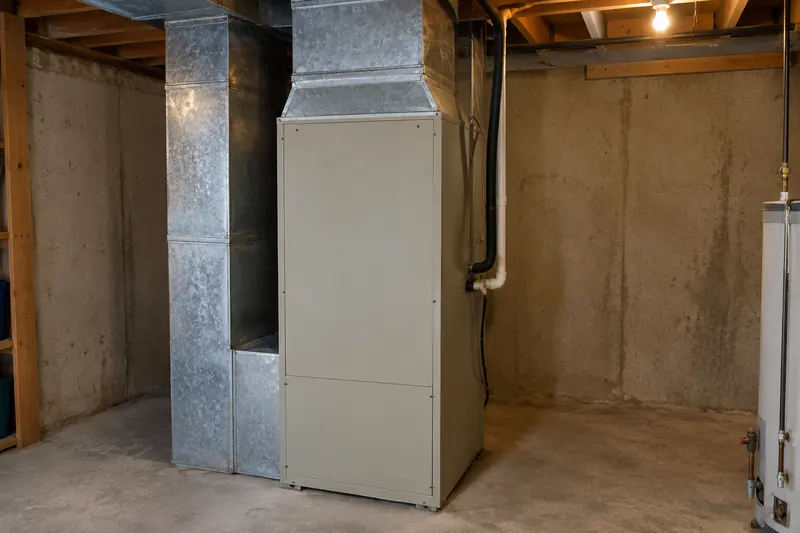 WinterBelow the Balance Point: Aux Heat and Emergency HeatBelow a heat pump's balance point, the upper 20s to low 30s for typical single-speed units, the thermostat adds aux heat automatically; emergency heat is a manual setting that shuts the heat pump off and runs only the backup.11-minute read
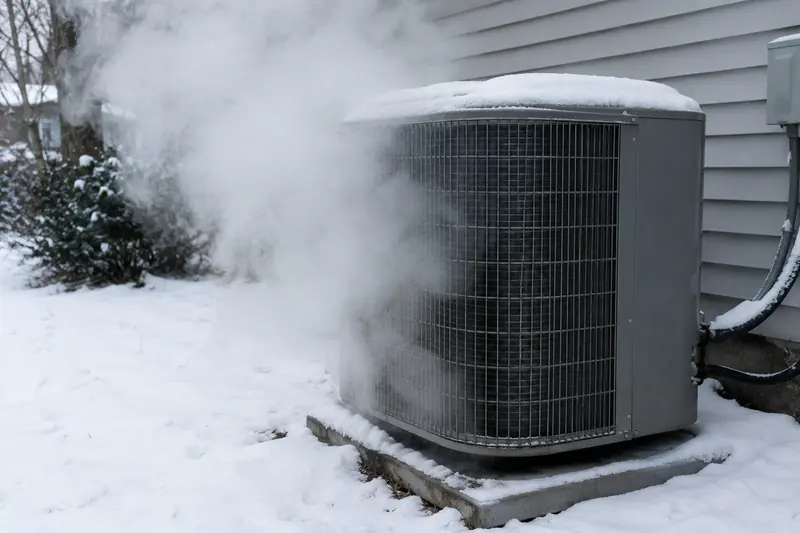 WinterThe Defrost Cycle, Steam and IceA heat pump defrost cycle briefly reverses the system to melt frost off the outdoor coil; steam, a whoosh and a quiet fan are all normal, and most cycles end within a few minutes, about 15 at the long end.6-minute read
 SummerMuggy Summers: Humidity and the Cooling SettingsHeat pump humidity control works when a right-sized system runs long cycles with the fan on Auto and the mode on Cool, pulling indoor humidity toward EPA's 30 to 50 percent range on a sticky 67-degree dew point afternoon.10-minute read
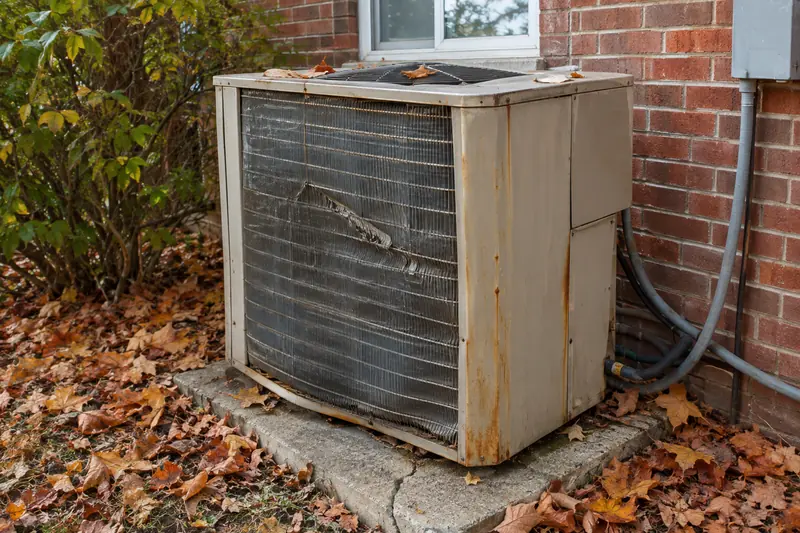 Spring & fallReplacing an Old Heat Pump, and Choosing Who Does ItReplacing a heat pump makes sense when it is past about 10 years, needs repeated repairs, or is an R-22 unit facing a major refrigerant repair; the new system usually means a matched indoor coil and a contractor who can show the load calculation.12-minute read
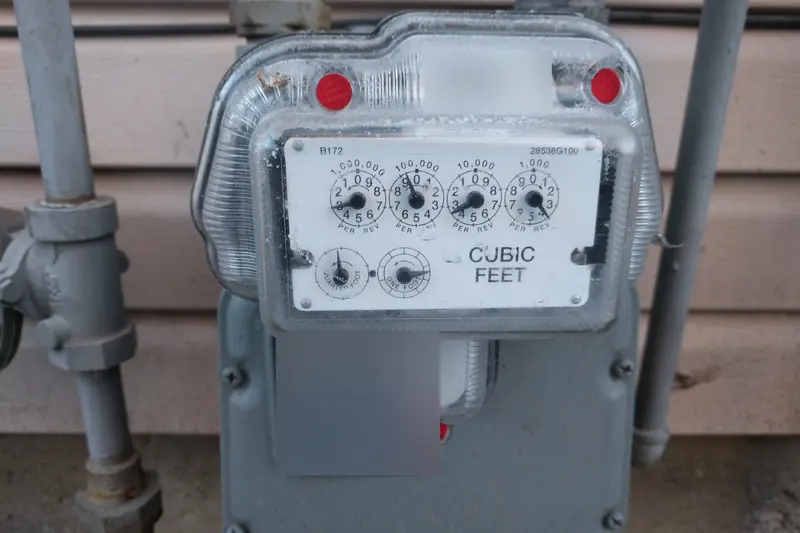 All yearRunning Costs: Heat Pump, Gas or PropaneHeat pump vs gas furnace cost depends on three numbers from your own bills, your price per kWh, therm or gallon, and each system's efficiency, turned into one yardstick: dollars per million Btu of heat delivered.7-minute read
 All yearThe Money: Rebates Still Open, and the Credit That EndedAs of October 29, 2026, Kentucky heat pump rebates come mostly from your electric utility or co-op, $200 to $1,000 or more by program, while state HEAR rebates have not opened and the 25C credit ended for systems placed in service after 2025.11-minute read