Winter
Dual Fuel: Heat Pump Plus Furnace
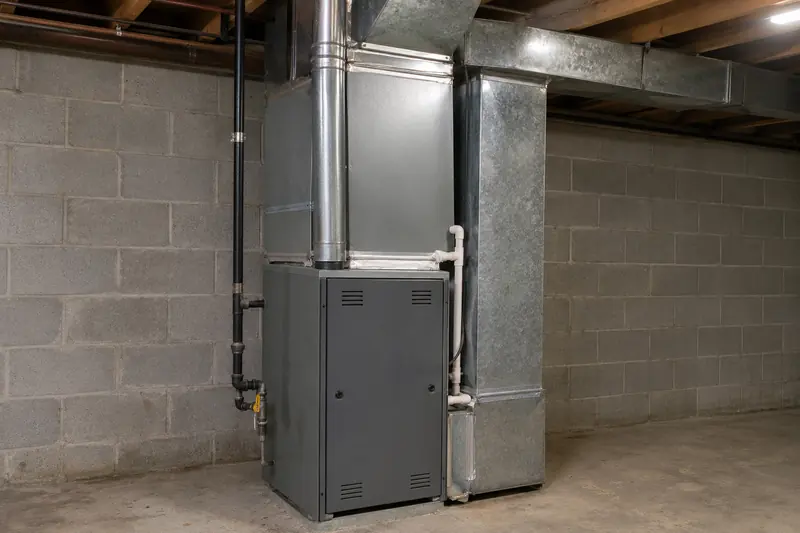
A dual fuel heat pump system pairs an electric heat pump with a gas or propane furnace, letting the installer set the outdoor temperature where the furnace takes over, and it brings carbon monoxide alarm duties with it.
What is a dual fuel heat pump?
A dual fuel heat pump is a split system with two heat sources: an electric heat pump for most of the winter and a gas or propane furnace for the coldest hours. Carrier's dual fuel page describes it as combining an electric heat pump with a gas furnace to heat efficiently across a range of outdoor temperatures.
The arrangement often starts with a furnace that is still young and an air conditioner that is not. ENERGY STAR's air-source heat pump page suggests that if you have a relatively new furnace with an older central AC, a certified heat pump in place of the AC creates a dual-fuel system for a modest extra cost over an AC system.
In an all-electric home the backup is strip heat with a COP of 1.0. In a dual fuel home the backup burns fuel instead, which changes both the cost math and the safety checklist. The aux and emergency heat page covers the electric version.
How does the system decide when to switch?
The system switches when the outdoor temperature crosses a point the installer programmed, usually chosen as the temperature where the furnace becomes the cheaper or the more capable heat source. ORNL's 2022 hybrid heat pump controls paper describes the furnace kicking in at the point where firing it costs less than running the heat pump at low efficiency and low capacity. That is the economic balance point.
It differs from the thermal balance point, where falling heat pump output and the rising heating load cross, and below it the heat pump cannot carry the house unaided. The Building America Solution Center's sizing guide says knowing that temperature matters when a heat pump is deliberately sized to cover only part of the load, as in dual fuel. Either way, the outdoor sensor or thermostat makes the call, not you.
Defrost can feel different. Trane notes that in some dual fuel systems the furnace and heat pump are not fired together, so a defrost cycle may briefly send cooler air from the registers. Trane calls that normal.
The arrangement often starts with a furnace that is still young and an air conditioner that is not.
Who sets the switchover temperature?
The installer sets the switchover temperature from the equipment, the house and local gas or propane prices against electric rates, and it can be changed later. Carrier says the balance point can vary with the equipment, home, climate and energy costs, so there is not one universal temperature at which every dual fuel system switches, and that your HVAC technician can adjust it.
ORNL notes the setting can live in the thermostat or on the heat pump's control board. On thermostats with installer menus, ecobee's threshold settings article warns owners unfamiliar with their equipment to contact support before changing anything. This site gives no typical number, because published figures disagree widely and the right one depends on your prices.
Ask the installer three things: what the switchover is set to, which fuel and electric prices it was based on, and whether to revisit it when rates change. The thermostat settings page covers the rest of the installer-only list.
When does dual fuel make sense in the Ohio Valley?
Dual fuel tends to make sense where gas or propane is already in the house, winters bring regular hard freezes, and the furnace has years of life left. Cincinnati's airport averages 4,892 heating degree days and 32.2 nights a year at or below 20°F; Nashville averages 3,364 and 13.7 (NOAA 1991–2020 normals). The colder the station, the more hours sit below a typical heat pump's comfort zone.
Prices decide the economic switch point. EIA's average residential electricity price for August 2026 was 13.80¢/kWh in Kentucky and 19.38¢/kWh in Ohio (EIA Table 5.6.A). EIA's 2025 annual residential natural gas price averaged $14.23/Mcf in Kentucky and $13.85/Mcf in Ohio. Propane for the week of Oct. 26, 2026 was $2.836/gal in Kentucky and $2.700/gal in Ohio, excluding taxes, from EIA's heating-season survey.
To compare fuels, put each on the same footing: cost per million Btu of heat delivered equals the price per unit divided by (Btu per unit times efficiency), times 1,000,000. EIA's conversion factors are 3,412 Btu per kWh, 1,036 Btu in one cubic foot of gas, and 91,452 Btu per gallon of propane. Use the heat pump's COP and the furnace's AFUE as the efficiencies, with prices from your own bills; the operating cost page walks through it.
What safety comes with a furnace?
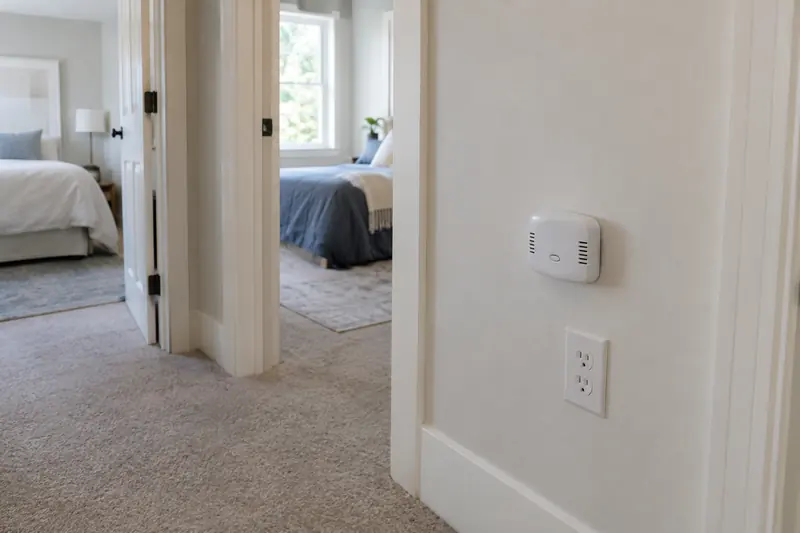
A furnace burns fuel, so a dual fuel home needs carbon monoxide alarms and a yearly professional inspection. CPSC's carbon monoxide center says to install battery-operated CO alarms, or alarms with battery backup, on every level of the home and outside sleeping areas; interconnected alarms are best, so when one sounds they all sound.
CPSC's carbon monoxide safety guide adds three points: choose an alarm that meets UL 2034, keep it away from heating vents, kitchens and the spot directly above fuel-burning appliances, and have the heating system professionally inspected and serviced every year, including chimneys and flues. If a CO alarm sounds, get everyone outside to fresh air, then call 911 from outside.
If you smell gas, leave first. Get everyone to a place where you can't smell it, then call 911 and the gas utility from outside or from a neighbor's home. Don't use light switches, matches, phones or anything that could spark until you are out, and don't operate valves or try to relight anything. LG&E and KU's gas safety page adds that a rotten-egg odor is added to natural gas, that hissing or roaring near a gas appliance is a warning sign, and that a gas leak should never be reported by email.
Propane gets the same leave-first rule: get out, then call 911 and your propane supplier from outside. Furnace installation, gas piping and venting are licensed work; supply houses list gas furnaces by input and efficiency (PlumbingSupplyAndMore, shares owners with Heat Pump Weather) so you can see what pairs with a heat pump, but a licensed contractor sizes and fits them. If you're unsure, call a licensed technician.
| Fuel | Kentucky | Ohio | Period |
|---|---|---|---|
| Electricity, residential average | 13.80¢/kWh | 19.38¢/kWh | August 2026 |
| Natural gas, residential average | $14.23/Mcf | $13.85/Mcf | 2025 annual |
| Propane, residential, excluding taxes | $2.836/gal | $2.700/gal | Week of Oct. 26, 2026 |
Loose ends
Smaller questions readers ask about this subject, answered briefly.
What temperature should a dual fuel system switch to the furnace?
There is no single answer; Carrier says it varies by equipment, house, climate and energy costs. Your installer sets it from your prices and can adjust it.
Can I change the switchover point myself?
It sits in an installer menu or on the heat pump control board. Ask the installer to change it, and to explain the prices behind the new number.
Does dual fuel work with propane?
Yes. The furnace can burn propane instead of natural gas. The same CO alarm and inspection rules apply, and a propane smell means get out, then call 911 and your propane supplier from outside.
Do the heat pump and furnace ever run together?
On some systems they do not, including during defrost. Trane notes such homes may feel cooler air at the vents for a few minutes, which is normal.
Where should the CO alarms go in a dual fuel home?
CPSC says every level and outside sleeping areas, not in kitchens and not directly above fuel-burning appliances. Interconnected alarms that all sound together are best.
How often should the furnace be inspected?
Every year, by a professional, per CPSC, including the chimney or flue. A fall visit can cover the heat pump too.
Is dual fuel worth it with Ohio electricity prices?
Ohio's August 2026 average residential price was 19.38¢/kWh against Kentucky's 13.80¢, so the economic switch point can sit at a different temperature there. Run the formula with your own bills before deciding.